EV Charging Adapters
The connector puzzle, solved: J1772, NACS (Tesla) and CCS explained, with the adapters that actually let your car charge where you need it — AC at home, DC on the road.
Adapters are the whole reason this site is called Amp & Adapter. As the industry shifts from a patchwork of connectors toward Tesla’s NACS plug, the right little adapter is often the difference between charging where you are and driving on to find a station you can actually plug into. The catch is that the category is genuinely confusing — the same two-word name can mean a $40 part or a $200 one, depending on one crucial distinction most listings bury.
That distinction is AC versus DC. AC adapters (like J1772-to-Tesla) are cheap, simple and just bridge the plug shapes for everyday Level 2 charging. DC adapters (like NACS-to-CCS) let a car fast- charge on a network it wasn’t built for — they carry far more power, cost far more, and only work if your specific car and the specific station both allow it. Get those two straight and the rest is easy. Each roundup below leads with the connector direction so you buy the right one the first time.
Everything in Adapters
Best EV Charging Adapters
The adapters worth owning by connector type — J1772-to-Tesla, Tesla-to-J1772 and NACS-to-CCS — and which one your car actually needs.
Our top pick
Lectron J1772 to Tesla Adapter
$39.99 · View on AmazonPrice as of October 18, 2026. #ad How we’re funded
Best J1772-to-Tesla Adapters
The single most useful adapter a Tesla owner can buy — it opens every J1772 station to a NACS car. Compared on amperage and fit.
Our top pick
Lectron J1772 to Tesla Adapter
$39.99 · View on AmazonPrice as of October 18, 2026. #ad How we’re funded
Best J1772 Adapter Locks for Tesla
Your Tesla locks the adapter; nothing locks the station's handle to it. The rings that stop a stranger ending your public session — and the one condition they all depend on.
Our top pick
LENZ Charger Lock for J1772-to-Tesla Adapter (2-pack)
$10.99 · View on AmazonPrice as of October 18, 2026. #ad How we’re funded
Best Tesla-to-J1772 Adapters
The adapter that lets a non-Tesla EV charge from a Tesla Wall Connector or Destination Charger — and the one thing it cannot do.
Our top pick
EVDANCE Tesla to J1772 Adapter (80A)
$49.99 · View on AmazonPrice as of October 18, 2026. #ad How we’re funded
Best NACS-to-CCS Adapters
The DC-fast adapters that let a CCS car use a Tesla Supercharger — with the vehicle-compatibility caveats spelled out before you buy.
Our top pick
A2Z NACS to CCS1 Adapter (Typhoon Pro)
$169.99 · View on AmazonPrice as of October 18, 2026. #ad How we’re funded
Best CCS-to-Tesla Adapters
The DC adapters that let a Tesla fast-charge at a CCS station — ranked on the safety standard first, because this is the highest-current part you will hold.
Our top pick
LENZ CCS1 to NACS Adapter
$69.99 · View on AmazonPrice as of October 18, 2026. #ad How we’re funded
NACS-to-CCS Adapters for a Rivian
What a Rivian R1T or R1S actually needs to charge at a Supercharger, why the automaker's own adapter matters, and where a third-party unit fits.
Our top pick
A2Z NACS to CCS1 Adapter (Typhoon Pro)
$169.99 · View on AmazonPrice as of October 18, 2026. #ad How we’re funded
NACS-to-CCS Adapters for a Hyundai Ioniq 5
The 800V question: why the fastest-charging car on the road can end up one of the slowest at a Supercharger.
Our top pick
A2Z NACS to CCS1 Adapter (Typhoon Pro)
$169.99 · View on AmazonPrice as of October 18, 2026. #ad How we’re funded
NACS-to-CCS Adapters for a BMW
What a BMW i4, i5 or iX needs to charge at a Supercharger — plus the charge-port position problem nobody warns you about.
Our top pick
A2Z NACS to CCS1 Adapter (Typhoon Pro)
$169.99 · View on AmazonPrice as of October 18, 2026. #ad How we’re funded
NACS-to-CCS Adapters for a Ford
What a Mustang Mach-E or F-150 Lightning needs to charge at a Supercharger — and why Ford's own adapter program is the first thing to check.
Our top pick
A2Z NACS to CCS1 Adapter (Typhoon Pro)
$169.99 · View on AmazonPrice as of October 18, 2026. #ad How we’re funded
NACS-to-CCS Adapters for a Kia EV6
The 800V problem again: what an EV6 or EV9 can actually pull from a Supercharger through an adapter, and why the number is lower than the badge suggests.
Our top pick
A2Z NACS to CCS1 Adapter (Typhoon Pro)
$169.99 · View on AmazonPrice as of October 18, 2026. #ad How we’re funded
Lectron J1772-to-Tesla Adapter Review
The single most useful $40 a Tesla owner can spend — what the 80A rating really means, and the one thing this adapter cannot do.
Our top pick
Lectron J1772 to Tesla Adapter
$39.99 · View on AmazonPrice as of October 18, 2026. #ad How we’re funded
A2Z EV Typhoon Pro Review
The NACS-to-CCS adapter built to the highest published spec here — 500A, 1000V, liquid-free — and why build quality is the whole argument on a DC part.
Our top pick
A2Z NACS to CCS1 Adapter (Typhoon Pro)
$169.99 · View on AmazonPrice as of October 18, 2026. #ad How we’re funded
Lectron vs A2Z NACS-to-CCS Adapter
The two best-known DC adapters, side by side — ratings, interlocks and brand track record, on the part that carries the most current you will ever hold.
NACS-to-CCS Adapters for a Honda Prologue
The badge on the hood is not the badge that answers this question — why Prologue charging support tracks a different automaker's program, and what to check first.
Our top pick
A2Z NACS to CCS1 Adapter (Typhoon Pro)
$169.99 · View on AmazonPrice as of October 18, 2026. #ad How we’re funded
NACS-to-CCS Adapters for a Chevrolet EV
Bolt, Blazer EV, Equinox EV — three very different DC charging stories under one badge, and why the adapter is worth buying for one of them for a reason nobody mentions.
Our top pick
A2Z NACS to CCS1 Adapter (Typhoon Pro)
$169.99 · View on AmazonPrice as of October 18, 2026. #ad How we’re funded
NACS-to-CCS Adapters for a Volkswagen ID.4
The adapter is rarely why a session fails to start — the software precondition nobody checks, and how to get it right before you spend anything.
Our top pick
A2Z NACS to CCS1 Adapter (Typhoon Pro)
$169.99 · View on AmazonPrice as of October 18, 2026. #ad How we’re funded
EVDANCE Tesla-to-J1772 Adapter Review
80A published, cheaper than the name brand, and the top pick in its category — what the amp rating actually buys you, and the gap in the listing worth knowing.
Our top pick
EVDANCE Tesla to J1772 Adapter (80A)
$49.99 · View on AmazonPrice as of October 18, 2026. #ad How we’re funded
Lectron Tesla-to-J1772 Adapter Review
The mirror-image adapter that lets a non-Tesla EV charge from Tesla's AC equipment — what it opens up, and the failure mode that is not its fault.
Our top pick
Lectron Tesla to J1772 Adapter
$127.78 · View on AmazonPrice as of October 18, 2026. #ad How we’re funded
LENZ CCS1-to-NACS Adapter Review
The only CCS-to-Tesla adapter here whose listing names a safety standard — why that single line matters more than every other specification on the page.
Our top pick
LENZ CCS1 to NACS Adapter
$69.99 · View on AmazonPrice as of October 18, 2026. #ad How we’re funded

Which adapter does your car need?
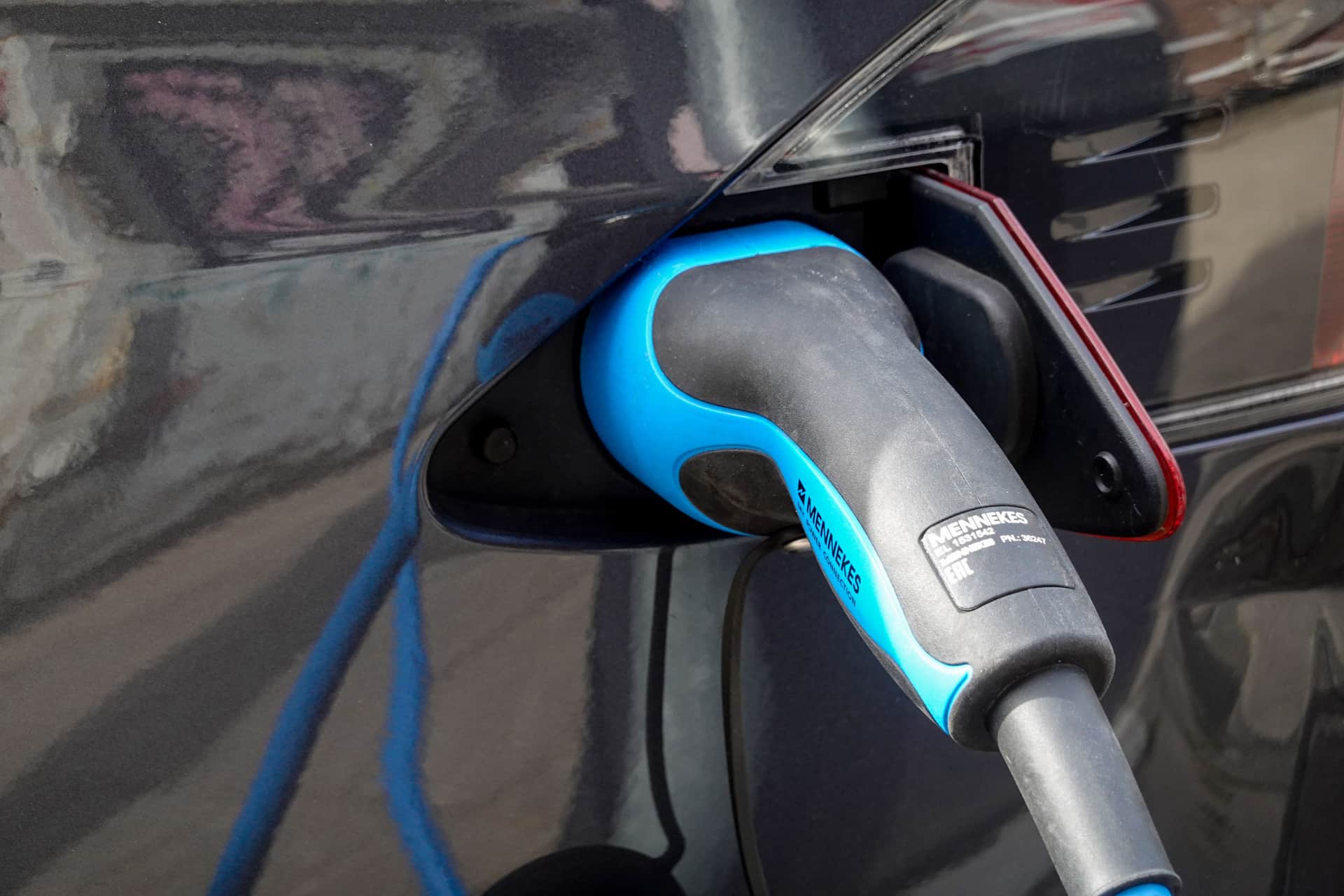
Work from the plug your car has and the plug you’re trying to use. Most non-Tesla EVs have a J1772 port for AC (home/Level 2) charging and a CCS port for DC fast charging. Teslas and a growing list of new EVs use NACSfor both. An adapter simply bridges one to the other — but only within the same current type.
The everyday AC adapters
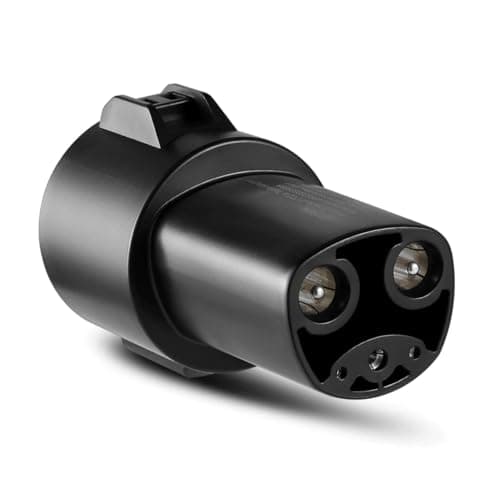
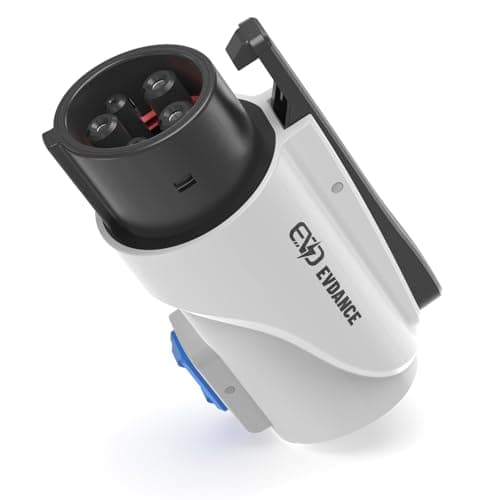
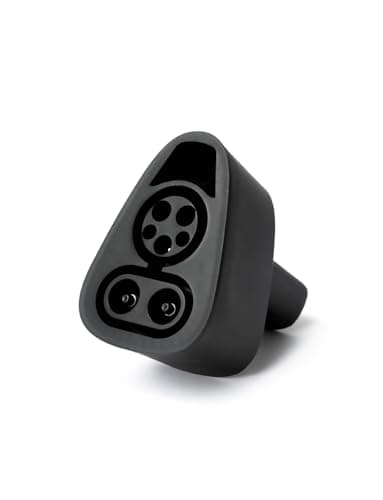
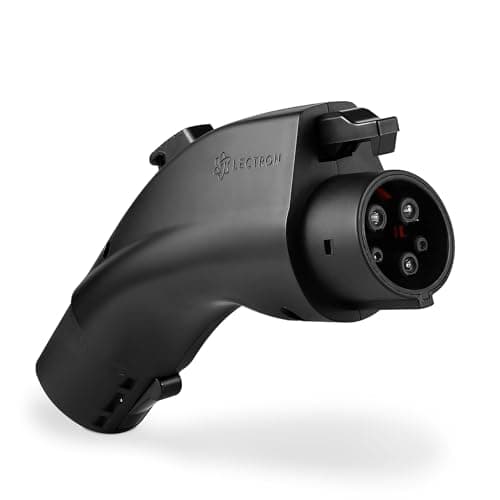
If you drive a Tesla (or a new NACS car) and want to use the huge network of J1772 stations at hotels, workplaces and older home chargers, you need a J1772-to-Teslaadapter — the single most useful part a Tesla owner can keep in the frunk. Going the other way, a Tesla-to-J1772adapter lets a J1772 car use a friend’s Tesla Wall Connector or Mobile Connector. Both are inexpensive and AC-only.
The DC fast-charging adapters
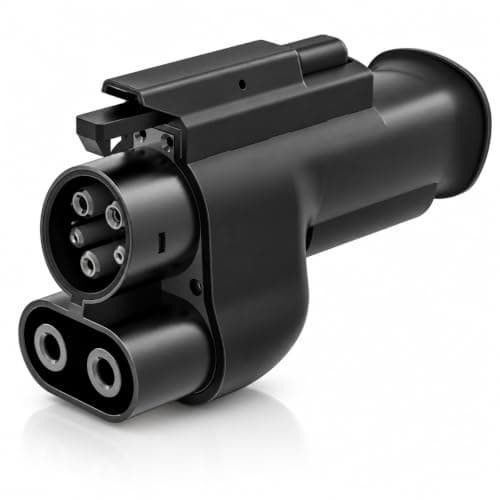
A NACS-to-CCSadapter lets a CCS car draw power from a Tesla Supercharger. This is the expensive, serious end of the category, and the one place we’re most cautious: compatibility is vehicle-specific and site-specific, so we tell you to confirm your exact car is supported before you rely on one for a trip. It is not a universal key to every Supercharger.
The mistake buyers make
Buying a DC adapter expecting AC behavior, or vice versa. A cheap J1772-to-Tesla adapter will never Supercharge your car, and an expensive NACS-to-CCS adapter is overkill (and won’t help) for plugging into a hotel’s Level 2 station. Match the current type first, the plug shapes second.
Frequently asked questions
Can I charge a Tesla at a regular J1772 station?
Yes — with a J1772-to-Tesla adapter, which Tesla includes with some cars and which is cheap to buy separately. It's an AC (Level 2) adapter that lets a NACS car plug into the millions of J1772 stations. It does not enable Supercharging on other networks.
Can a non-Tesla EV use a Tesla Supercharger?
Sometimes. Newer Superchargers (and Tesla's 'Magic Dock' sites) support non-Tesla cars, and a NACS-to-CCS adapter can let an older CCS car use compatible Supercharger stalls — but only if your specific vehicle is on the supported list. Always confirm compatibility before relying on it.
What's the difference between an AC and a DC adapter?
AC adapters (J1772-to-Tesla, Tesla-to-J1772) handle everyday Level 2 charging — they're cheap and just bridge the plug shapes. DC adapters (NACS-to-CCS) handle high-power fast charging, carry far more current, cost much more, and depend on vehicle and station compatibility.
Will I still need adapters once everyone switches to NACS?
For years, yes. The transition is gradual: millions of J1772 and CCS cars and stations will be on the road long after new cars ship with NACS. Adapters are the bridge that keeps every combination charging during the changeover.
Sources
- SAE International — J3400 North American Charging System (NACS) for Electric Vehicles — The SAE standard for the NACS connector (Tesla's plug), alongside the J1772 AC standard (accessed July 19, 2026)
- U.S. DOE Alternative Fuels Data Center — Electric Vehicle Charging Stations — DOE overview of charging levels, power output and connector types (J1772, CCS, NACS) (accessed July 19, 2026)
- U.S. DOE Alternative Fuels Data Center — Charging Electric Vehicles in Public — DOE guidance on public AC and DC fast charging (accessed July 19, 2026)